Seal E. Photo Edit - 2026-09-15T103456.570

Products & services

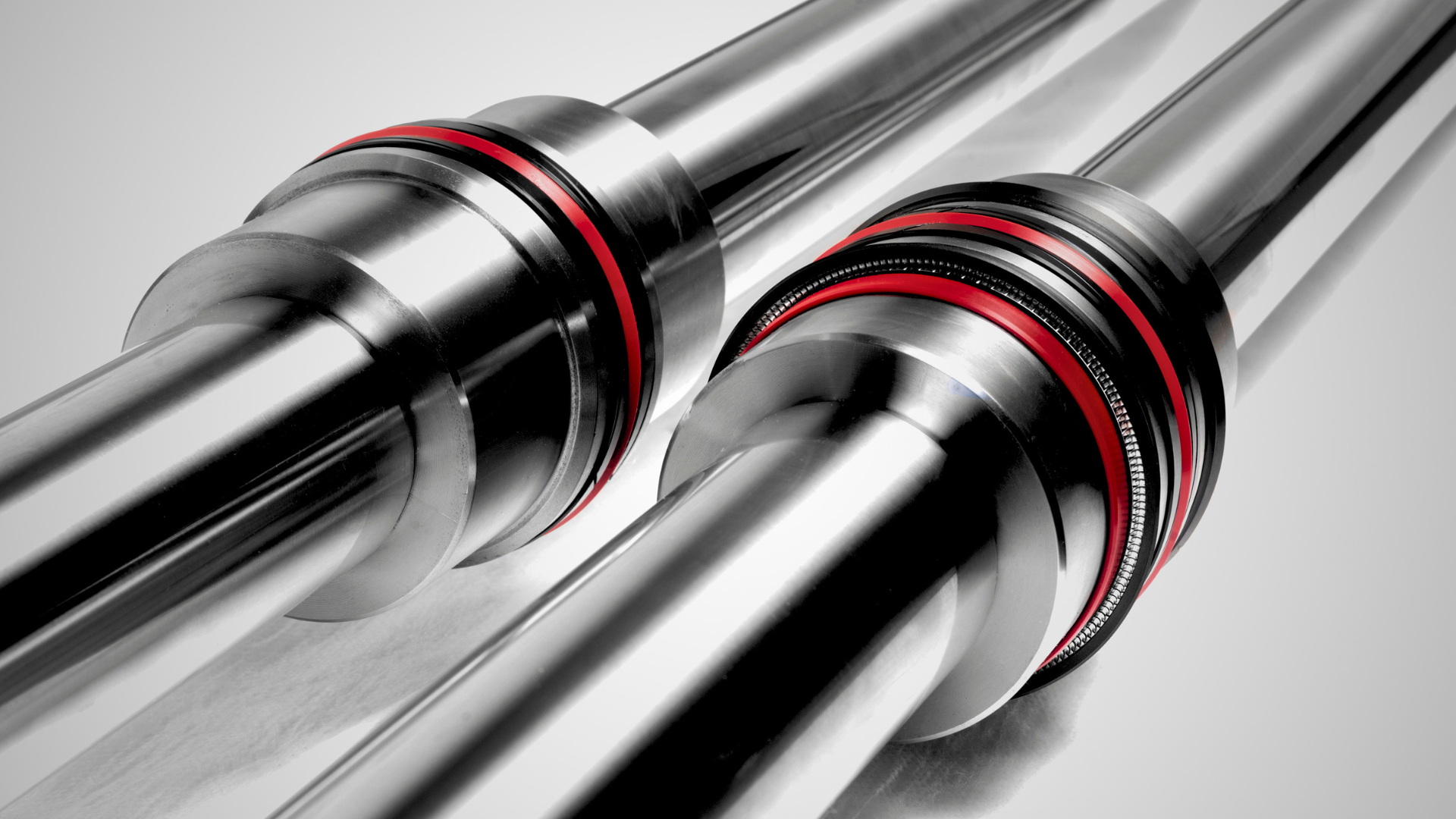
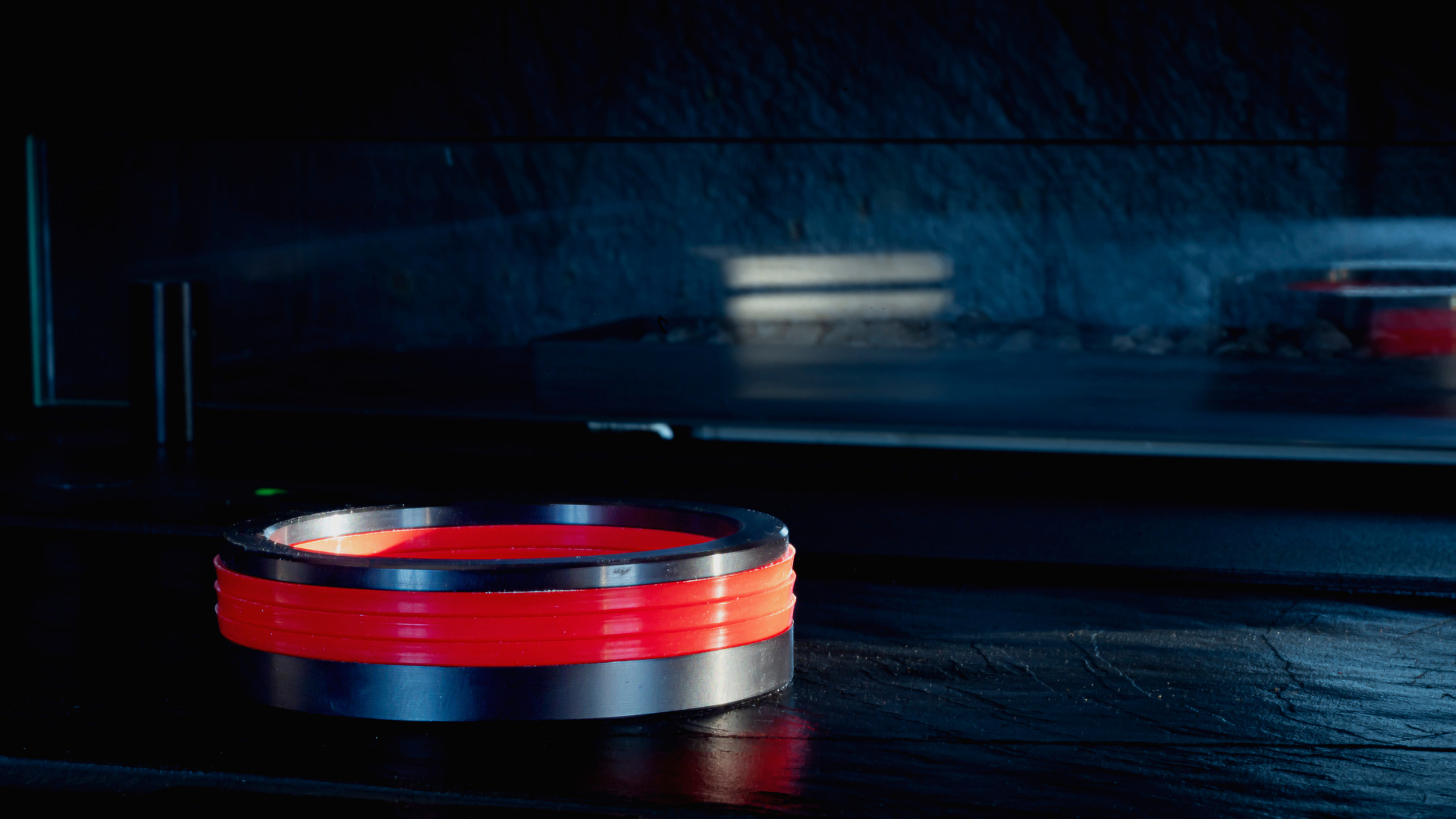
Seals are critical components in the machinery and technical equipment industry, and we’re here to help ensure that your operations are safe, efficient, and reliable. With machined seals , we can offer the market’s best lead times for prototypes, one-off production, and series runs—with no additional tooling costs for the customer! We provide full traceability for all our machined seals and use only high-quality materials from reputable manufacturers.

We specialize in manufacturing invisible yet critical components that are essential to the system’s function. Seals don’t always get the attention they deserve, but we know that it’s the details that matter. Our extensive experience and expertise in problem-solving enable us to deliver solutions that are tailor-made to withstand the toughest conditions in the industry.

What sets us apart from others?

  • Problem-Solving: We’re not just a supplier; we’re a partner. We work closely with our customers to understand their unique challenges and develop innovative solutions that meet their specific needs

  • Reliability: We have a long history of delivering the highest-quality components. Our products are designed to minimize risk and maximize performance, and represent an investment in safety

  • Expertise: Our team consists of experienced specialists who are passionate about their field. We stay up to date on the latest technologies and standards to ensure that our solutions are always at the forefront

We manufacture a wide range of sealing products at our factory in Fredrikstad:

  • Engineered Sealing Solutions for all types of applications

  • Standard and custom sealing products for hydraulic and pneumatic equipment

  • O-rings

  • Molded sealing products and other components in a variety of rubber grades

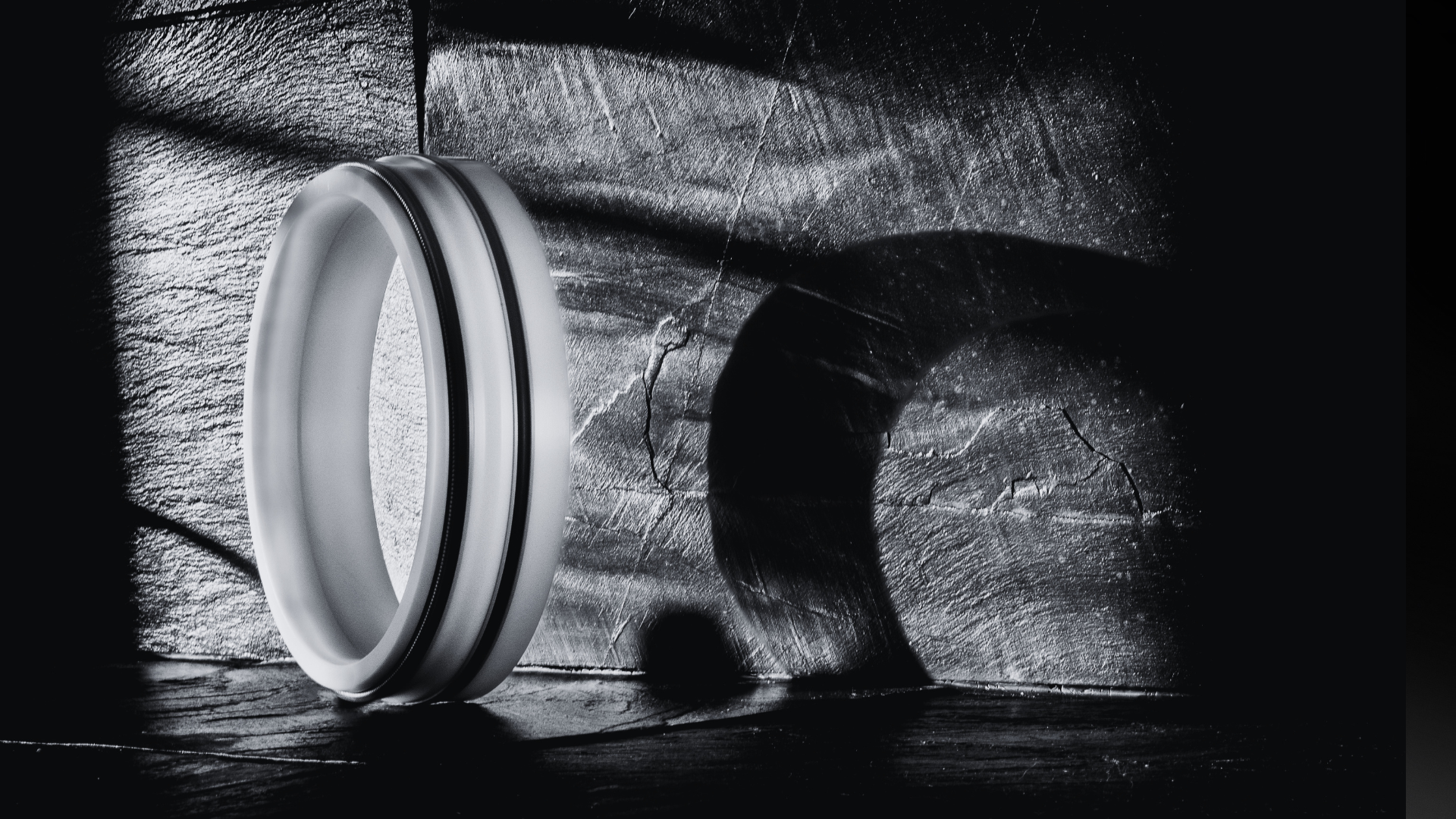
  • Spring-loaded seals

  • Large Diameter Seals (Ø<1500 mm)

Our goal is for you to experience us as a companyfocused on " ," professional, and collaborative —all to enhance our customers’ profitability!

Our method

Sealing Equipment 01 (1)

Rapid production

We develop sealing solutions that enhance our customers’ products and profitability! Seal Engineering is optimized for fast and flexible production of custom sealing solutions, enabling us to deliver the right seal—on time! With our production concept, we can offer the market’s best lead times for prototypes, one-off production, and small batches (e.g., <1,000 units) with no tooling costs.

Machined seals

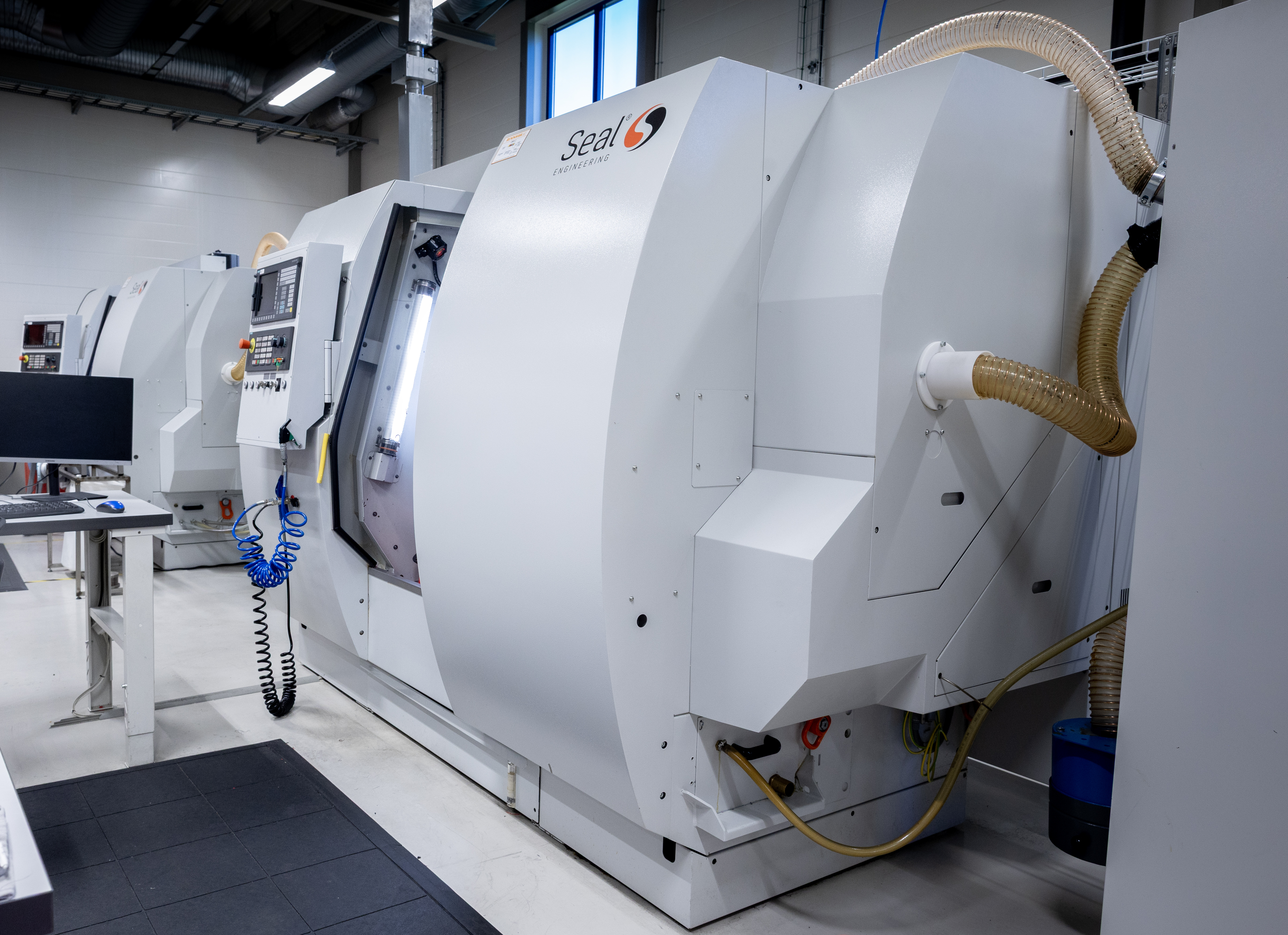
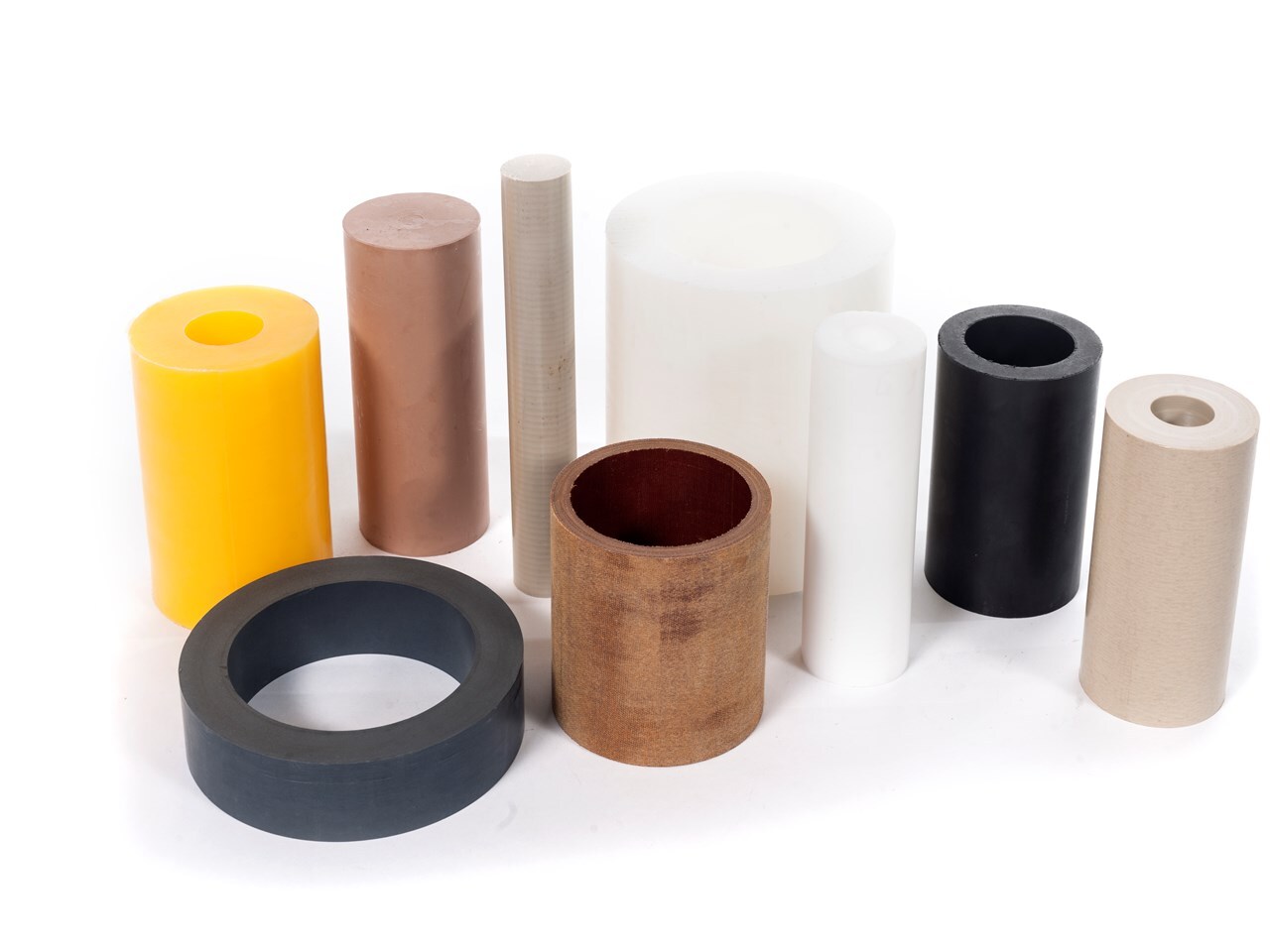
We machine seals from semi-finished stock, and with our extensive inventory, we offer fast delivery of most seal profiles up to 1,500 mm—even same-day delivery if necessary! The products are manufactured by highly skilled operators at our efficient factory in Fredrikstad. We ensure full traceability for all our machined seals and use only high-quality materials from reputable manufacturers. Our developers and designers work closely with the operators, ensuring high quality and low lifecycle costs for the customer.

With our know-how and technology, we can deliver machined seals quickly—even the same day if necessary!

  • Highly service-oriented employees at every level

  • Normally, no tooling costs are incurred

  • Extensive inventory of materials

Our Technical handbook

  • Overview of seal profiles

  • Guidelines for seal and groove design and installation dimensions

  • Overview of materials and compatibility

  • A separate chapter on O-rings and O-ring grooves


Sealing materials

Selecting materials is a task that often requires thorough research and weighing the various desired properties against one another. At Seal Engineering AS, we have extensive experience in selecting the right material for various applications, and we are therefore well-equipped to help you find the best solution.

Seals are subject to increasingly stringent requirements regarding pressure, temperature, functionality, and service life. This means that some of the more “traditional” materials are no longer as suitable as they once were. Advances in materials technology are leading to new and improved materials designed to meet these increased demands.

Material selection is a critical factor

The choice of material affects the sealing solution in various ways, both directly and indirectly. In many installations, there are operating conditions that only become apparent when you methodically review the requirements. If you want to reduce risk and ensure the correct specifications from the start, a professional assessment is a sound investment.

Do you need an expert’s perspective on material selection and a more reliable basis for decision-making? Get in touch!

Seal Engineering AS operates a materials laboratory equipped with advanced testing equipment, and our polymer experts conduct tests and analyses of, for example, the causes of failures. Through our commitment to R&D, we have excellent control over the composition and properties of the materials.

Seals face tough demands to withstand, for example, higher pressures and temperatures, while requirements for functionality and long service life are also increasing. This means that some of the more “traditional” materials are no longer as suitable as they used to be. Advances in materials science are resulting in new and improved materials tailored to these increased demands.

General information on plastics and rubber

Elastomers are polymer materials with elastic properties, meaning they can be stretched significantly and then return to their original shape. These materials have an amorphous structure with a low degree of crystallization, which gives them their flexibility and elasticity. Common examples include natural rubber and synthetic rubbers such as nitrile rubber (NBR), butadiene rubber (BR), and styrene-butadiene rubber (SBR), which are available in a wide variety of subtypes.

Thermoplastic elastomers (TPE) combine the properties of elastomers with the processing characteristics of thermoplastics, giving them both elasticity and thermoplasticity. TPE materials can be melted and molded at high temperatures, and they are more readily recyclable. Thermoplastic polyurethane (TPU) is an exampleof a TPE.

Technical plastics refer to a broad category of plastic materials used in technical and industrial applications due to their mechanical, thermal, and chemical properties. Examples include polyamide (PA), polycarbonate (PC), polyoxymethylene (POM), and polyphenylene sulfide (PPS).

Engineering plastics are often used in the automotive industry, electronics, machine parts, and medical equipment.

  • Elasticity: Elastomers and TPEs have high elasticity, while engineering plastics generally have lower elasticity

  • Processing: TPEs can be molded at high temperatures like thermoplastics, while elastomers are typically vulcanized. Engineering plastics can also be molded at high temperatures. All material groups can be machined, though this requires specialized machinery and expertise

  • Applications: Elastomers are often used in tires, seals, and hoses. TPE is used in products that require both flexibility and moldability, such as cables and soft grips. Engineering plastics are used in applications that require high strength and durability, such as machine parts and electronic components


Sea, Power, Oil, and Gas Equipment

ISO 9001:2015 Certified

A leading supplier of advanced sealing solutions for industrial applications with high performance requirements

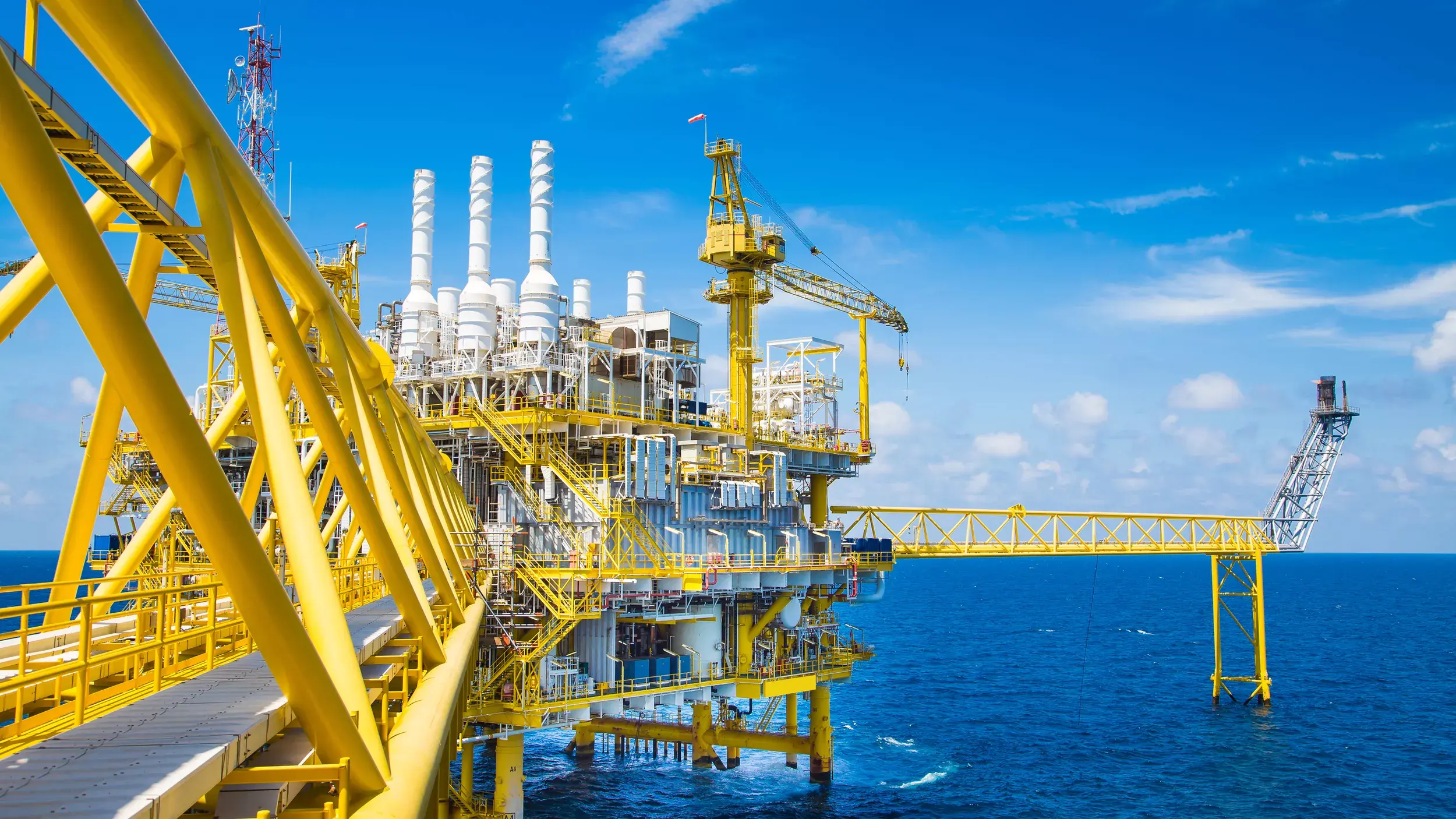
Our customers come from various industries, such as oil and gas, hydropower, defense, the process industry, and the maritime sector.